
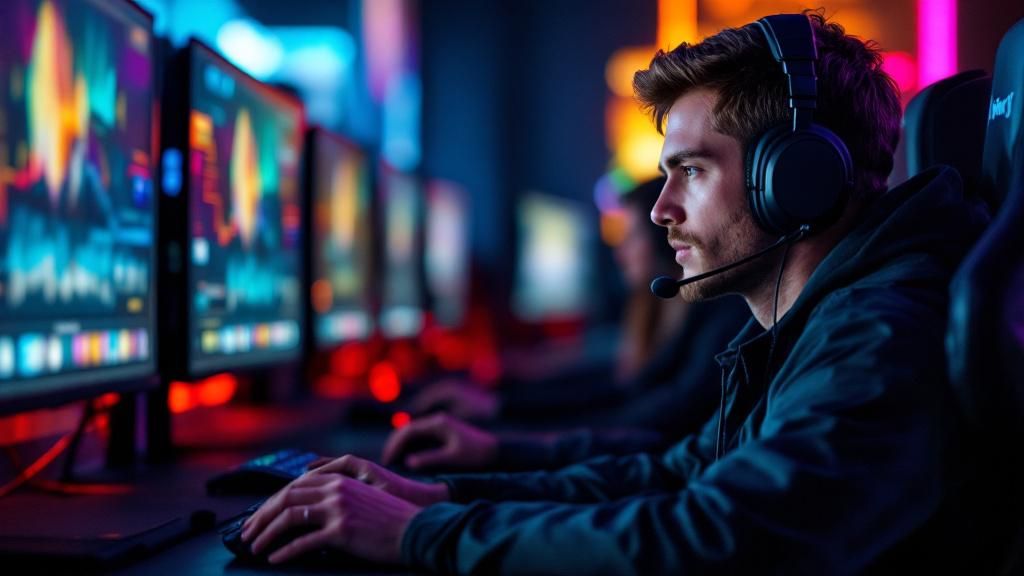
The professional gaming industry has undergone a substantial transformation, with elite esports organisations now prioritising mental health support as increasingly. Recognising that the demands of competition, demanding schedules, and constant examination can create substantial emotional impact, leading teams are committing significant funding into thorough support systems. From dedicated sports psychologists to therapeutic support and resilience training, these initiatives represent a pivotal transformation in how the industry approaches player wellbeing, challenging long-standing stigmas and creating improved expectations for athlete care.
The Growing Importance of Psychological Wellbeing in Esports
The esports landscape has experienced a profound shift in the past few years, with psychological wellbeing becoming a key priority for top-tier teams. As competitive esports expands rapidly, the psychological demands placed upon players have grown more evident. Top-tier teams now recognise that sustained performance demands robust mental wellbeing support, moving beyond traditional physical training to tackle the emotional and psychological challenges central to high-stakes competition.
This progression shows a broader cultural change within the sector, where acknowledging mental health challenges is no longer viewed a shortcoming but instead an fundamental aspect of professional performance. Players encounter sustained pressure from tournaments, sponsorship obligations, and public scrutiny, often whilst maintaining intensive training regimens. By placing emphasis on mental health support services, forward-looking organisations are not just supporting their athletes’ mental health but additionally boosting organisational performance and promoting more sustainable and healthier careers across competitive gaming.
Full-scale Support Systems and Offerings
Professional competitive gaming groups have developed comprehensive support structures that go well past standard sports psychology. Many teams now retain full-time mental health professionals, such as qualified therapists, psychiatrists, and wellbeing coaches who engage with players during the competitive season. These specialists deliver personalised counselling sessions, CBT interventions, and tailored coping techniques tailored to each player’s unique challenges and circumstances.
Beyond individual therapy, prominent esports teams have implemented extensive wellbeing initiatives encompassing mindfulness practices, dietary advice, exercise programmes, and rest optimisation methods. Teams recognise that mental health support demands a comprehensive strategy, integrating physical wellbeing with therapeutic support. Additionally, many organisations provide peer-led groups, group bonding initiatives, and educational workshops addressing burnout management, anxiety management, and healthy coping mechanisms, creating a culture where requesting assistance is normalised and encouraged and encouraged.
Challenges and Future Developments
Despite substantial progress, professional gaming teams still face considerable obstacles in introducing comprehensive mental health support. Many smaller organisations lack the funding to hire full-time psychologists or counsellors, generating disparities in quality of care across the industry. Additionally, some players are hesitant to access support due to persistent stigma within gaming culture, whilst others grapple with privacy concerns regarding private mental health information. These barriers require ongoing campaigning and sector-wide standards to guarantee equitable access to support services for all competitive players.
The emerging landscape of mental health provision in esports appears increasingly promising, with emerging technologies offering innovative solutions. Virtual reality therapy, AI-powered mental wellness applications, and online peer support communities are expanding accessibility past conventional therapy approaches. Additionally, awareness programmes focused on emerging talent seek to establish mental health conversations at the beginning of their professional journeys. As the sector develops, establishing formal certifications for esports psychologists and developing evidence-based best practices will likely become industry standards, strengthening the overall framework for player wellbeing.
Looking forward, partnership among gaming organisations, mental health professionals, and regulatory bodies will be crucial for long-term advancement. Investment in long-term studies examining the impact of current interventions will shape future programme development. Additionally, encouraging transparent communication among players, coaches, and management teams can create supportive environments where mental health concerns are tackled in advance rather than reactively. Ultimately, prioritising mental wellbeing alongside sporting achievement will position esports as a truly forward-thinking industry that champions comprehensive player development.
